Car Key Replacement by Brand: Why Make and Model Matter More Than You Think
Cutting a replacement key is only half the job. Modern vehicles require the new key's transponder chip to be registered to the car's ECU — a process that differs dramatically by manufacturer. Toyota and Lexus vehicles, for example, use a tiered security system that often requires all currently programmed keys to be present during the programming session. Ford's PATS system, used across F-150 trucks, Explorers, and Fusions, demands a specific sequence and in some model years requires a minimum of two working keys before a third can be added. GM vehicles running the PassLock or PassKey III system have their own distinct handshake protocols, and Chrysler, Dodge, and Jeep products using the SKIE or Sentry Key system are different again. Our technicians carry professional-grade automotive key programming equipment that covers these brand-specific requirements rather than a one-size-fits-all dongle that leaves gaps.
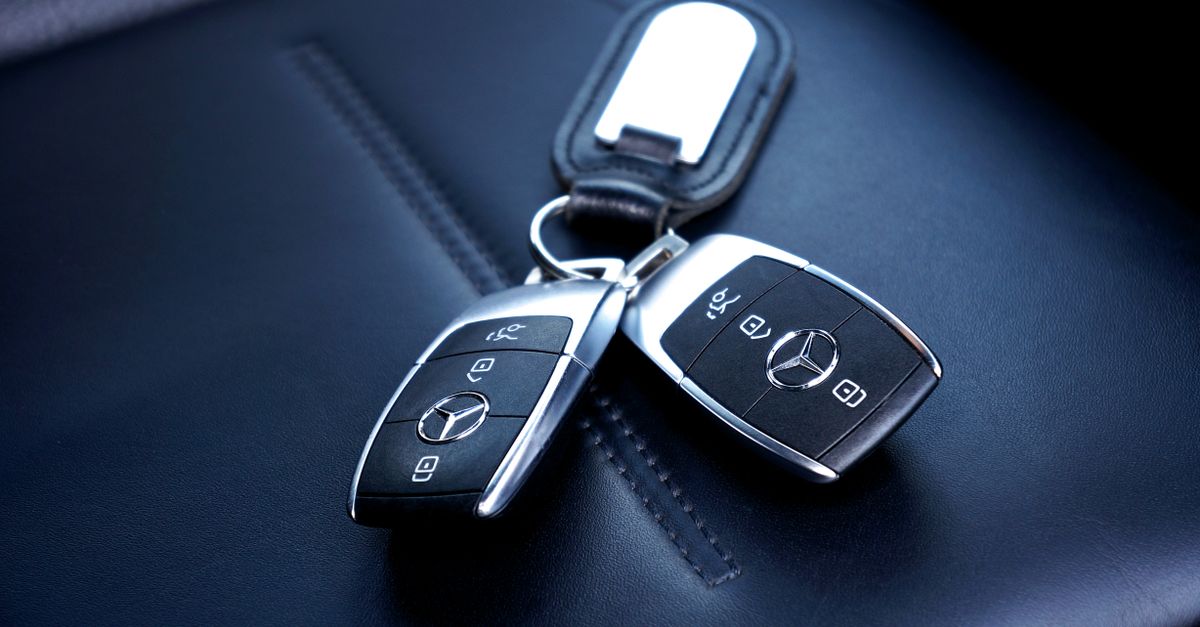
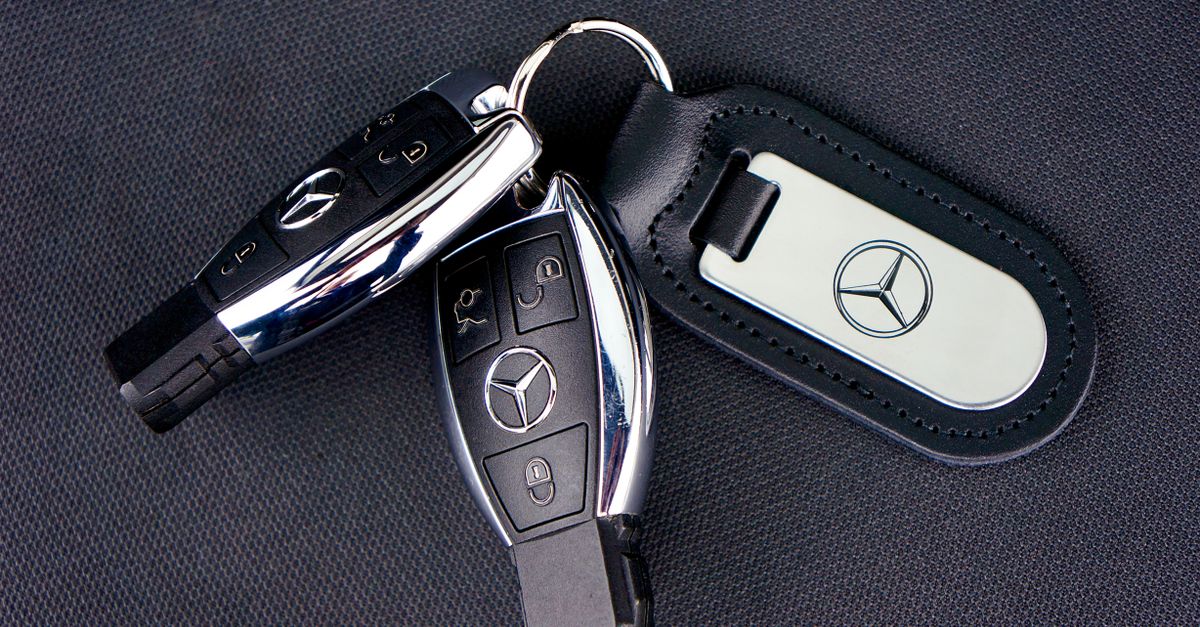
European makes add another layer of complexity. BMW and Mini vehicles require key programming through the car's CAS or FEM module, and Mercedes-Benz smart keys are tied to the vehicle's EIS unit in a way that makes over-the-counter replacement impossible. Volkswagen and Audi use the IMMO system, which in later generations requires dealer-level coding unless you have a technician with the right diagnostic access — which we do. For Honda, Acura, Subaru, and Mazda owners throughout Burlington County, we carry the blade blanks and the transponder profiles to cut and program keys on-site, at your driveway, your workplace, or wherever your vehicle happens to be.