What Is a Mortise Lock and Why Older Homes Have Them
A mortise lock is a complete locking mechanism — latch bolt, dead bolt, strike plate interface, and often a key cylinder on both faces — housed inside a rectangular pocket (the mortise) cut directly into the door edge. Unlike a cylindrical bored lock where the mechanism sits in a drilled hole, a mortise lock set integrates everything into one steel case recessed flush with the door. That integration is exactly why these locks were the industry standard for residential and commercial construction from the late 1800s through the mid-20th century, and why so many Burlington County homes still have them today. Moorestown, Medford, Hainesport, and Riverside all have large pockets of pre-1960 housing stock where original mortise hardware is still in daily use.
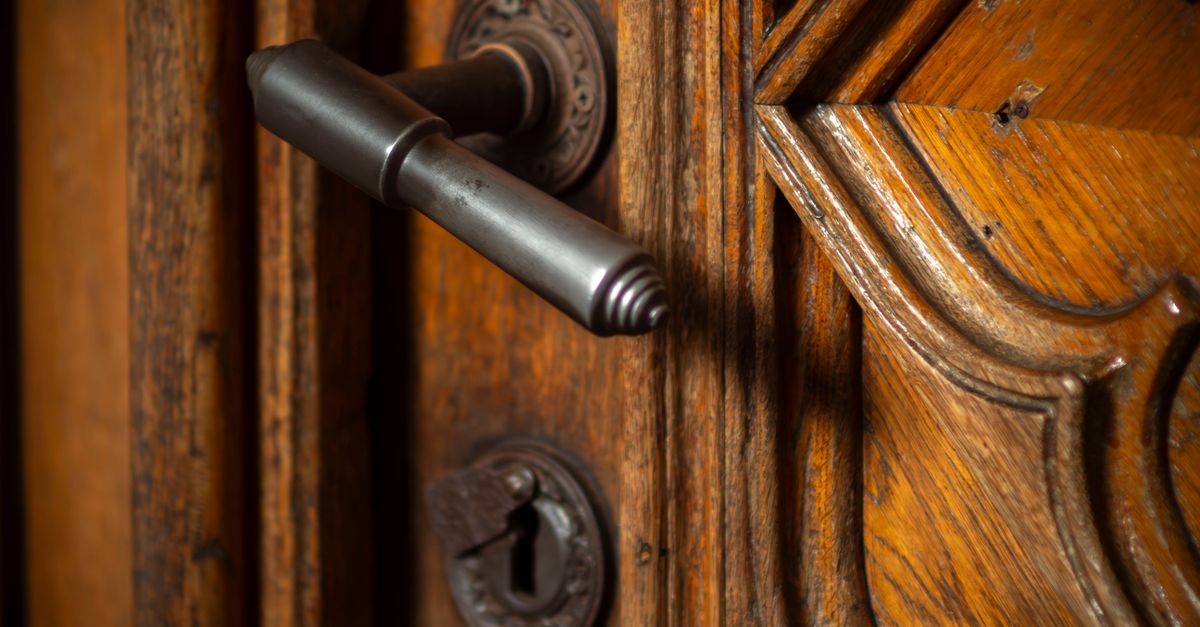
The design pays dividends in strength: the bolt throws deeper, the case is harder to pry, and the multi-point engagement gives genuine resistance to kick-in attempts. The trade-off is complexity. A mortise lock has far more moving parts than a modern cylindrical lock — cams, levers, springs, a separate mortise lock cylinder, and trim hardware like knobs or levers that attach through a spindle. When one component fails, diagnosing which one requires opening the case, and that is where a trained locksmith rather than a weekend DIY approach makes a real difference.